Back

A Frame of Reference

The 6 MegaChallenges

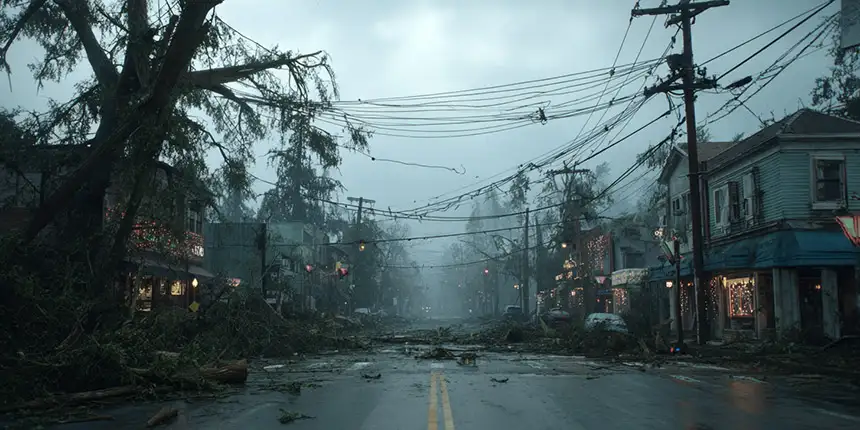
Climate Change, Mass Extinction, Ecosystems Collapses, Displacement, Unrest, and Explosive Impact — are not new.

Variations of these forces have always shaped the planet.
What is new is the speed, scale, and interconnectedness of today's challenges.
For example, when one region loses its water supply, migration pressures can ripple into political unrest across continents.
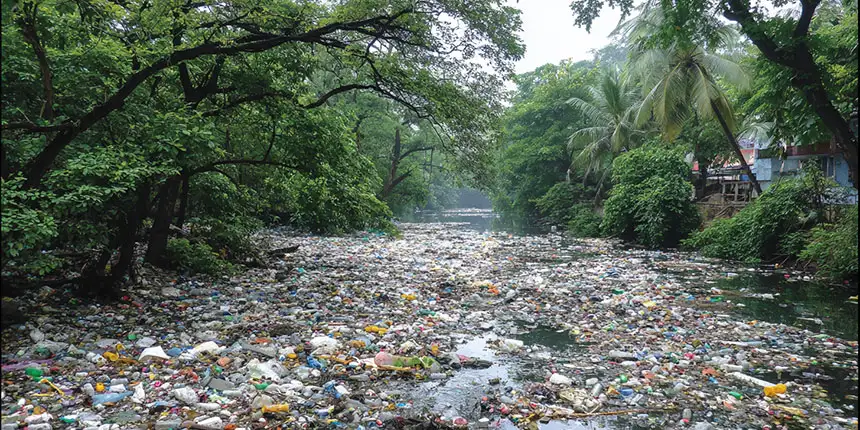
When industrial waste enters a river, ecosystems collapse downstream, impacting food chains, health, and economies.

Climate Change Mass Extinction Ecosystems Collapses Displacement Unrest Explosive Impact

The 6 MegaChallenges
represent categories where humanity and all species are most vulnerable, not because they are unprecedented, but because of their accelerating pace and interconnectedness.

Any one of them could shift conditions for life; together, they form a web of pressures that amplify one another.

Project Moon Hut does not seek to solve these challenges.
Instead, through Syntara—systems and structures combined with Sentara—the humanistic side of adaptation—we enable societies worldwide to address, adapt, and evolve in the face of these accelerating forces.

History shows that life continues, but whether species, including our own, thrive or decline will depend on how we build the frameworks to navigate these realities.
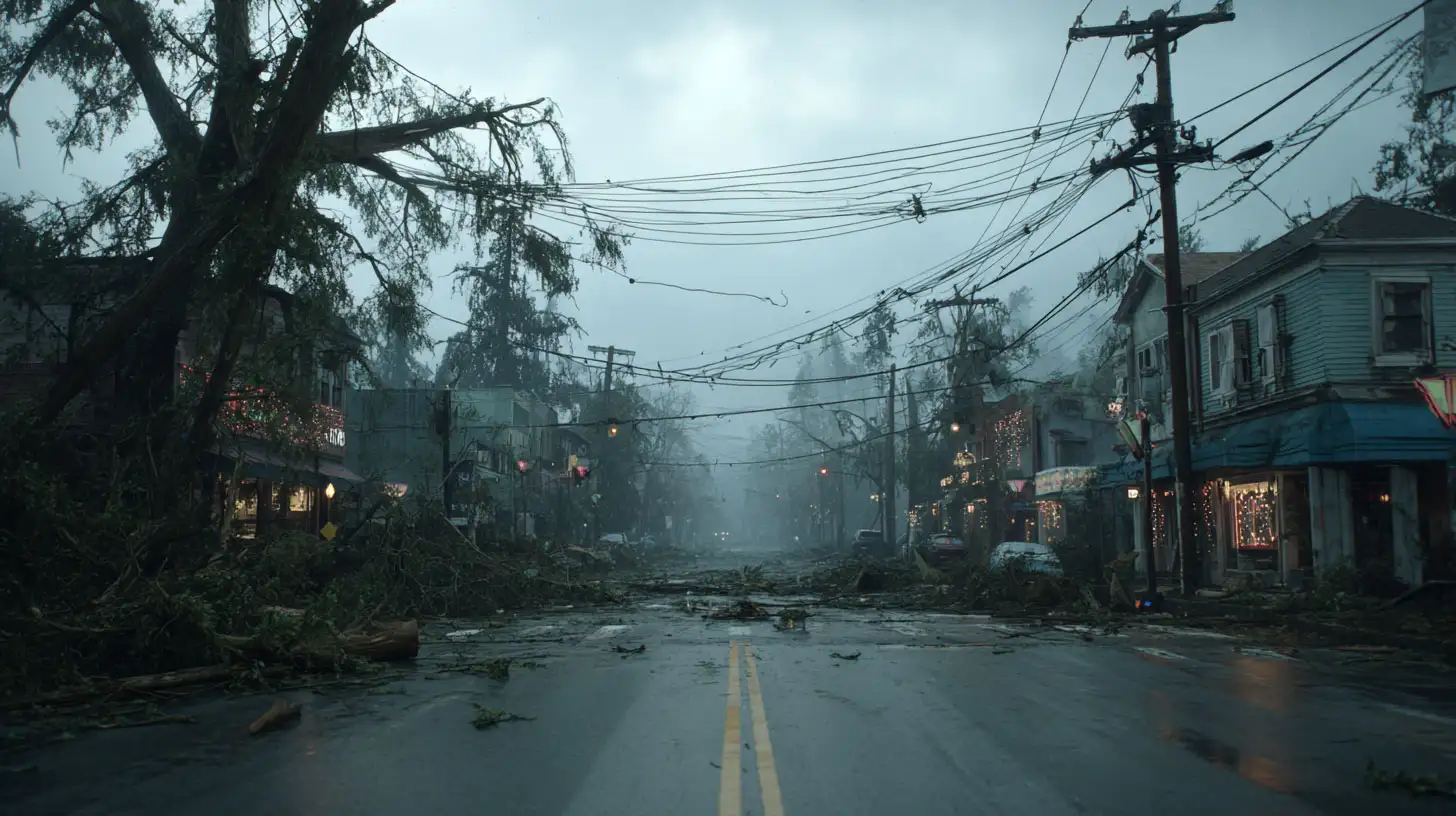
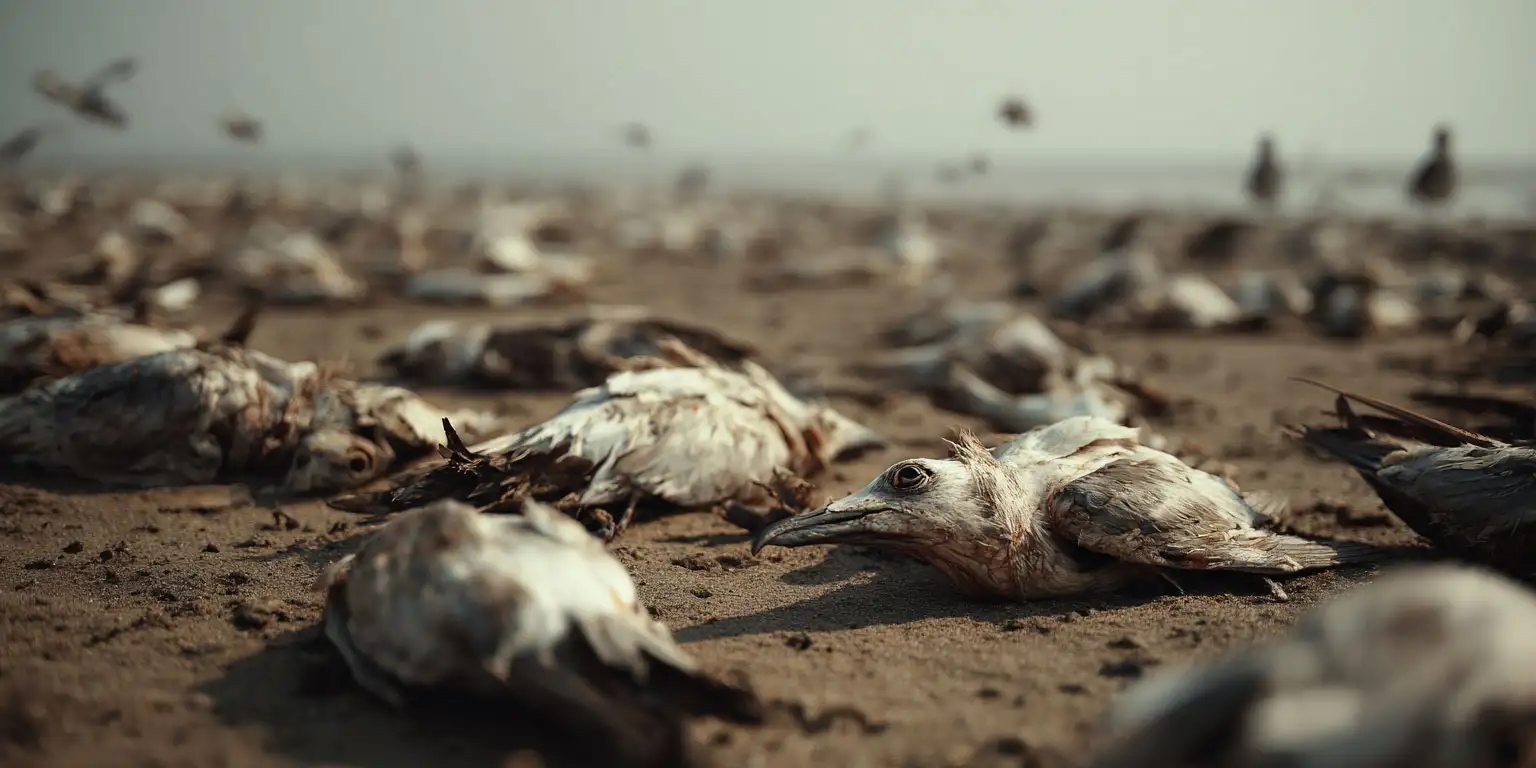
Climate Change

The 6 MegaChallengesClimate Change

Back to Overview

Ice Ages, Warming Periods, Volcanic Winters

Climate has shifted dramatically over Earth's history.

At times, conditions were far more extreme than those we face today.
Yet the difference lies in humanity's tolerance band: a narrow climatic range within which food systems, ecosystems, and social structures thrive.

A shift of even 1-4°C now has disproportionate impact, not because Earth cannot handle it, but because our interconnected civilizations and species' habitats are finely tuned to today's environment.

For all species, climate change reshapes migratory patterns, reproductive cycles, food chains, and survivability.
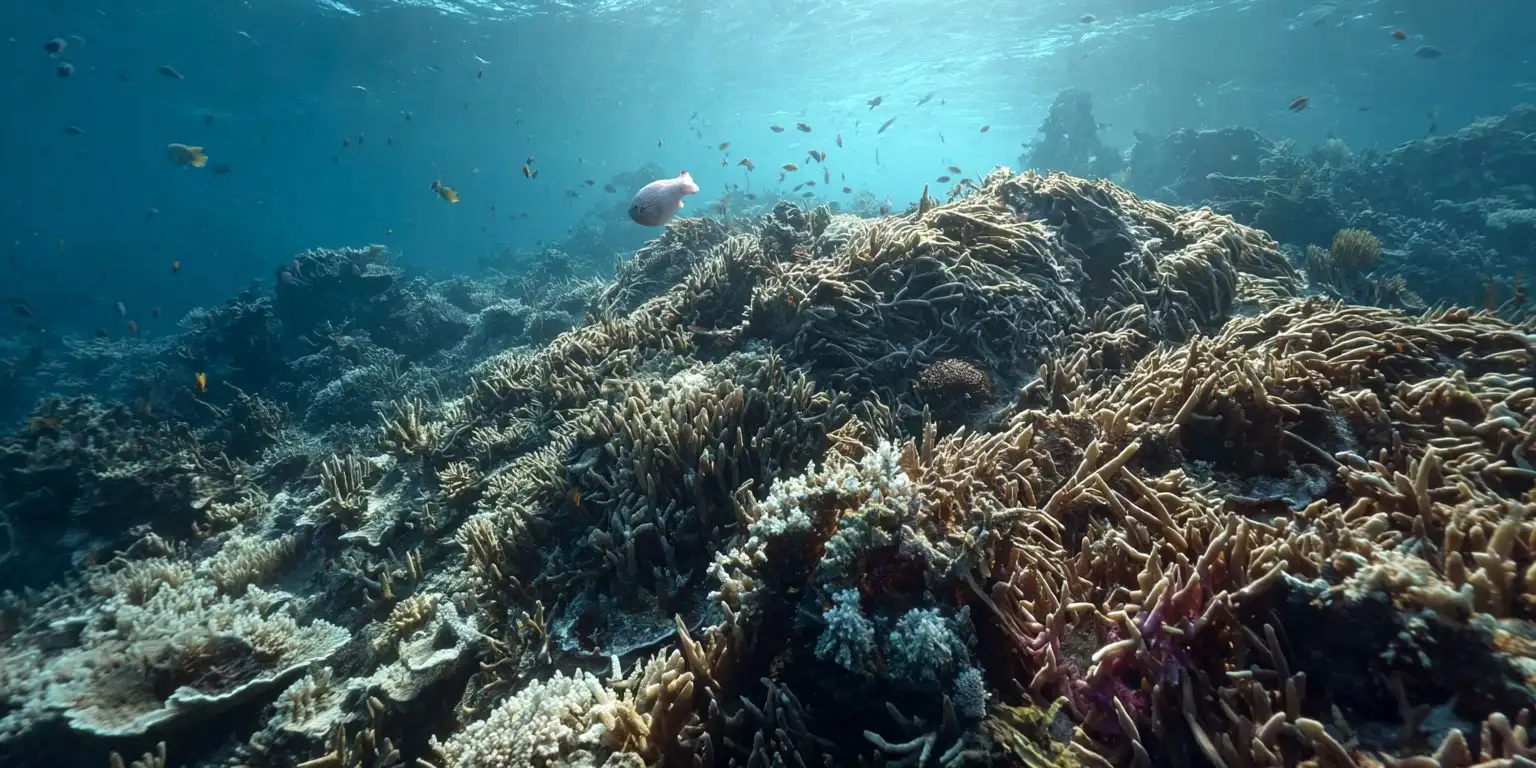
Coral reefs bleach, insect populations shift, and staple crops fail. Humanity is not exempt, but neither is it central—the planet itself will endure.
What is at stake is how species, including humans, adapt and evolve to remain viable in altered conditions.

Some Facts:

• Antarctica melting at four times its historic rate
• Fish boiled alive in overheated waters off Vietnam
• 56°C (120°F) heatwave in India lasting six weeks
• Mexico City aquifer collapse — land subsided ~30 inches, 22M residents affected
• Canadian wildfires in 2024 emitted more CO₂ than half the nation's total emissions
• By 2050, parts of Spain projected to be uninhabitable due to heat and water scarcity

Mass Extinction

The 6 MegaChallengesMass Extinction

Back to Overview

Extinction is not unusual

An estimated 99% of all species that have ever lived are now gone.
Dinosaurs thrived for 165 million years; humanity has only existed for about 300,000.
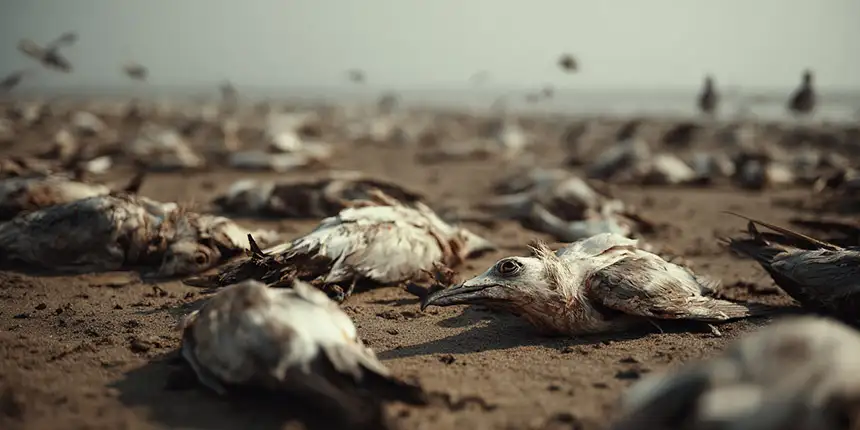
Extinctions will continue, but today's pace is accelerated by human activity—habitat destruction, chemical use, hunting, and industrial pressures.
Currently, 1 in 8 species is at risk of extinction.

This is not just about charismatic megafauna disappearing. Trees vanish, insects decline, and with them entire networks of dependent species.
A single tree species may support hundreds of organisms. The removal of that tree destabilizes a web of life built over millennia. Humanity is woven into these same webs.

The loss of species reduces resilience across ecosystems, making survival harder for all.

Some Facts:

• One out of every eight species currently threatened or endangered
• 17,500 of the world's 65,000 tree species nearing extinction
• Baobab trees in Africa (1,500-2,000 years old) dying off due to changing climate
• Ancient Jurupa oak groves and U.S. oak trees succumbing to pests as ecosystems shift
• Global estimate: over 5 billion species have existed, with 99% now extinct
• Insects critical to pollination disappearing, threatening food systems worldwide

Ecosystems Collapses

The 6 MegaChallengesEcosystems Collapses

Back to Overview

Ecosystems are resilient, but they are not invincible

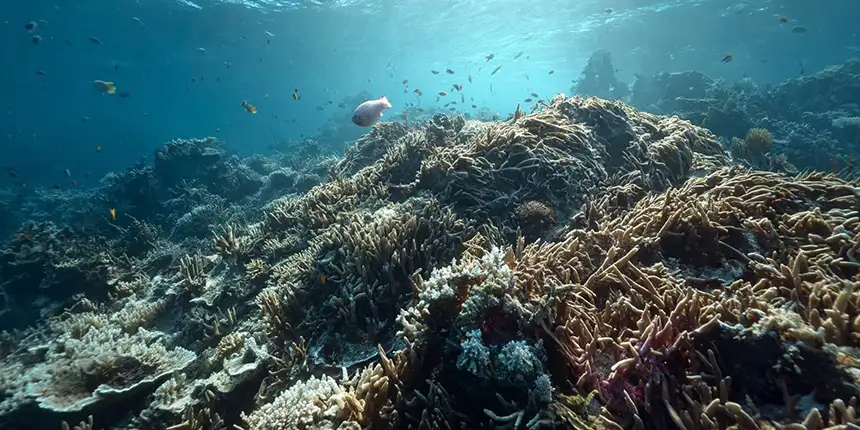
From coral reefs to rainforests to microbial systems in soil, ecosystems sustain life for millions of species at once.

When collapse occurs—whether through warming oceans, industrial runoff, or invasive species—the fallout cascades across geographies and generations.

The Great Barrier Reef bleaching, Mediterranean die-offs of sea urchins, the erosion of fertile topsoil, and the decline of pollinators illustrate how intertwined ecosystems are.

A collapse does not stop with one region or one species—it reverberates into agriculture, freshwater cycles, migration, and ultimately survival patterns for all species, humans included.

Some Facts:

• Great Barrier Reef coral bleaching at unprecedented levels
• Mediterranean sea urchin populations collapsed within five years due to warming waters
• One-third of the world's topsoil degraded; 90% projected to be degraded by 2050
• Global bee population declines destabilizing pollination and agriculture
• Coastal sea-level rise eroding deltas and wetlands (e.g., Mississippi Delta)
• Bahamas fisheries collapsing from toxicity, forcing imports of salmon

Displacement

The 6 MegaChallengesDisplacement

Back to Overview

Displacement has always been part of life on Earth

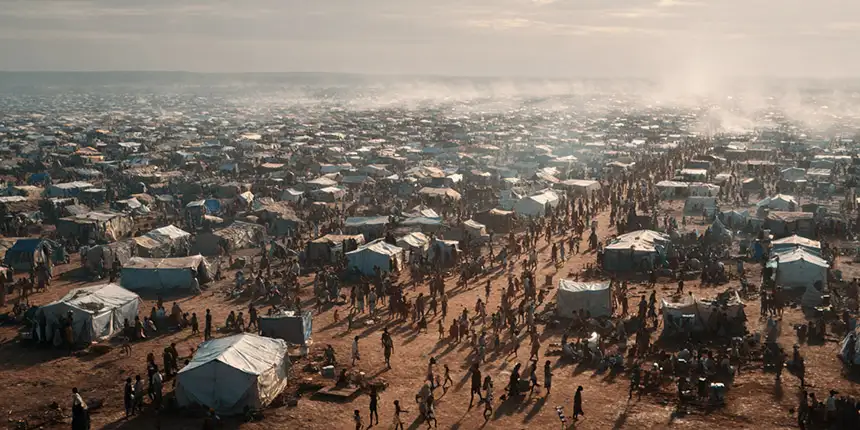
Animals migrate when food runs short, humans have moved for millennia in search of better conditions. What is different today is the scale, speed, and triggers.

Climate-induced displacement—such as regions heating beyond human or animal survivability—is colliding with economic, technological, and political displacement.

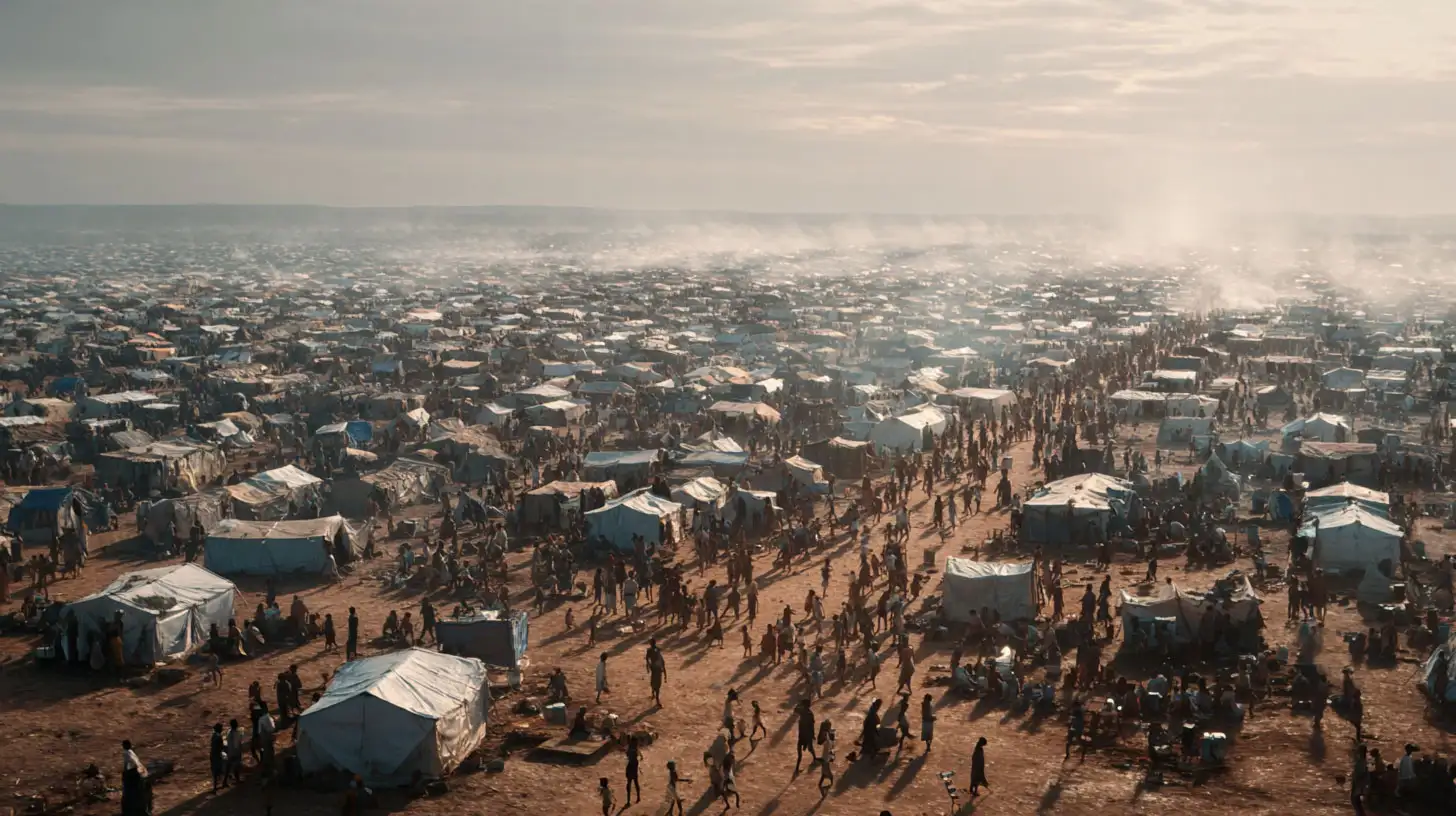
When millions of people are uprooted by drought, conflict, or automation, the shockwaves ripple far beyond the immediate region.
Species face the same pressures: whales alter migration routes as ocean temperatures change, while predators move closer to human settlements when prey disappears.

Displacement is not just a humanitarian issue—it is an ecological one that reshapes survival for all life.

Some Facts:

• 230M people in Northern Africa projected to face >50°C, driving mass migration
• 117.3M people forcibly displaced worldwide in 2023 (conflict, persecution, climate)
• Sudan's internal displacement crisis: 7.1M people uprooted by conflict
• Guangzhou sink manufacturer replaced 1,000 workers with 12 robots, displacing long-term employees
• Rising seas in Bangladesh displacing communities annually with worsening floods
• Climate-induced desertification driving rural-to-urban migration across Africa and Asia

Unrest

The 6 MegaChallengesUnrest

Back to Overview

Unrest is not solely a human construct

In the natural world, unrest appears as disrupted food chains, overcompetition, and predatory imbalances.
For humans, unrest manifests through political, economic, religious, and social conflict.
Today, the number of active conflicts worldwide is the highest in recorded history.

Unrest destabilizes entire regions, making adaptation to the other 5 MegaChallenges harder. It is both cause and effect: climate stress fuels migration, which fuels unrest, which in turn accelerates ecological breakdowns.
For species, unrest may look like the collapse of cooperative colonies, the disappearance of symbiotic relationships, or territorial disruption.

For humans, it destabilizes governance, weakens institutions, and erodes the collective capacity to adapt.

Some Facts:

• 47+ armed conflicts active today — the highest number in recorded history, nine wars (10,000+ deaths per year) in 2023, and 183 armed conflicts total
• Civil wars and violence in Syria, Sudan, Ethiopia, Yemen, and beyond
• South Korea unrest escalating to martial law amid political crises
• Street-level protests and polarization across the U.S., Brazil, UK, and others
• Russia-Ukraine and Israel-Gaza conflicts destabilizing entire regions
• 18,000+ wars and conflicts recorded in human history (excluding world wars)

Explosive Impact

The 6 MegaChallengesExplosive Impact

Back to Overview

Explosive Impact

Explosive impact refers to the outsized, often sudden disruptions caused by human activity: industrial-scale fishing, deforestation, chemical dumping, fast fashion, waste runoff, or mass urbanization.
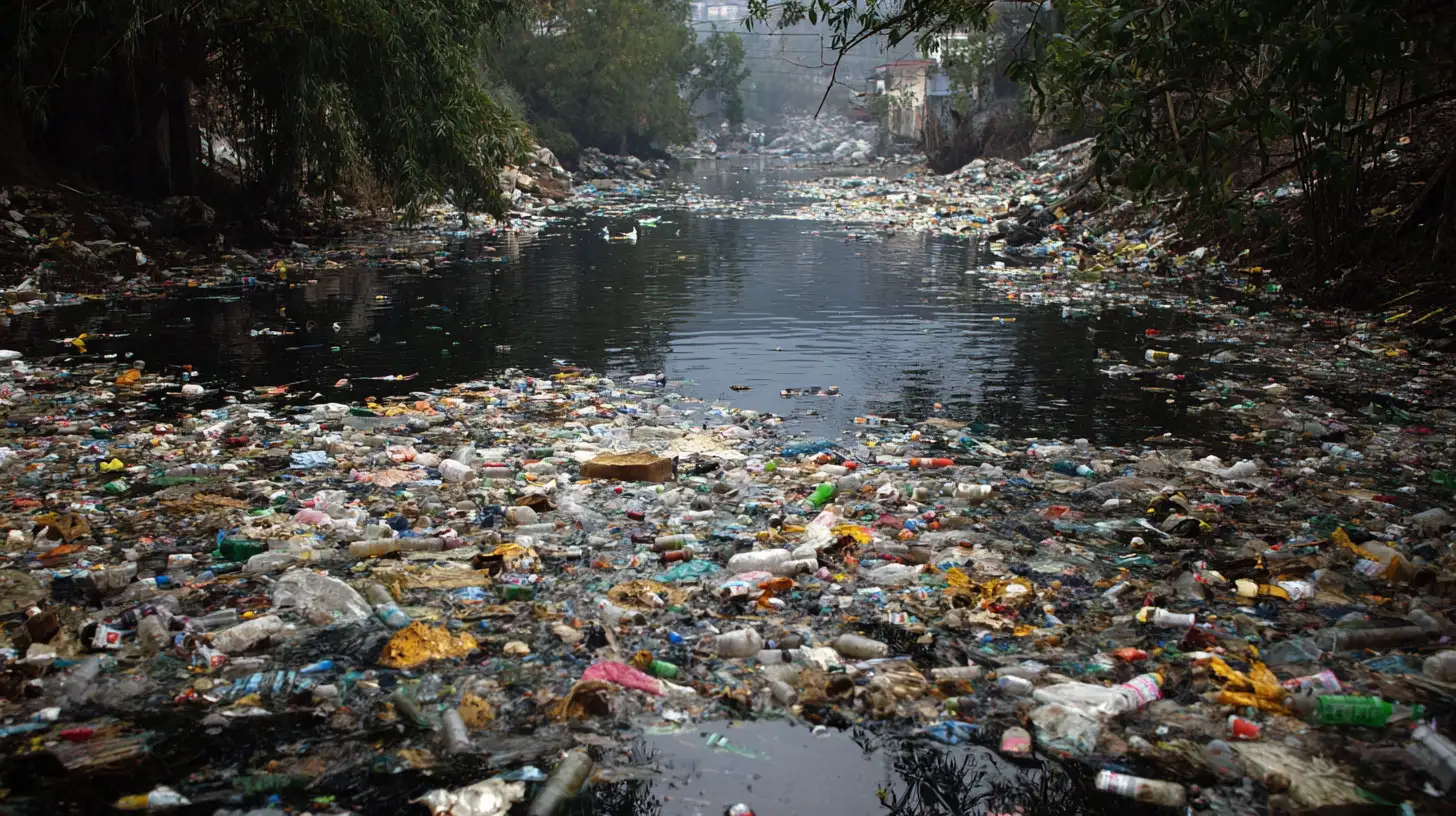
These impacts exceed the absorptive capacity of ecosystems. For example, the daily dumping of billions of gallons of waste into oceans outpaces nature's ability to cleanse itself.

Such impacts don't merely strain systems—they can tip them into collapse.
Plankton die-offs threaten the oxygen balance of the entire planet.
Overfishing can collapse entire ocean food chains.
Industrial waste destroys rivers, forests, and farmland essential for all species.

Unlike gradual change, explosive impact overwhelms resilience thresholds, leaving adaptation little time to catch up.

Some Facts:

• United States alone dumps ~12B gallons/day of waste into waterways and oceans
• Europe, China, India, Africa, and South America each dump similar levels — ~48B gallons/day combined
• Industrial-scale overfishing: China operates up to 800,000 fishing vessels worldwide
• Plankton die-offs observed: some ocean zones “completely dead” under microscopes, threatening Earth's oxygen supply
• 27,000 trees cut daily for toilet paper; 52,000 cut daily for paper towels
• Solid waste, industrial runoff, and fast fashion supply chains accelerating ecological collapse

PROJECT MOON HUT, MEARTH, and all other trademarks, logos, and slogans are trademarks owned by Meath Discovery, inclusive of the copyrights and any patents pending covering the systems and designs discussed herein.
© 2026 Mearth Discovery. All Rights Reserved.